
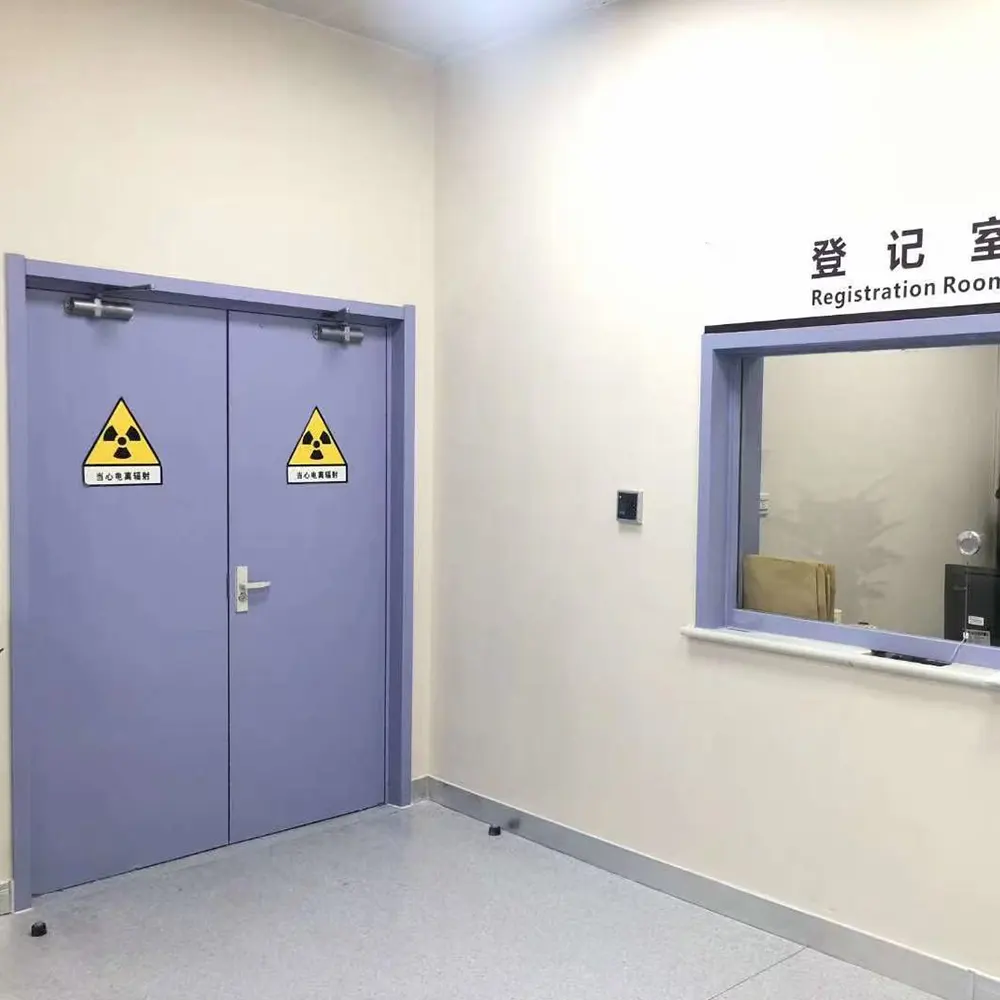
Lead-Lined Radiation Protection Doors
Doors with an integrated lead core for CT, DR and X-ray rooms, with vision panel and hardware options to suit the room layout.
View Details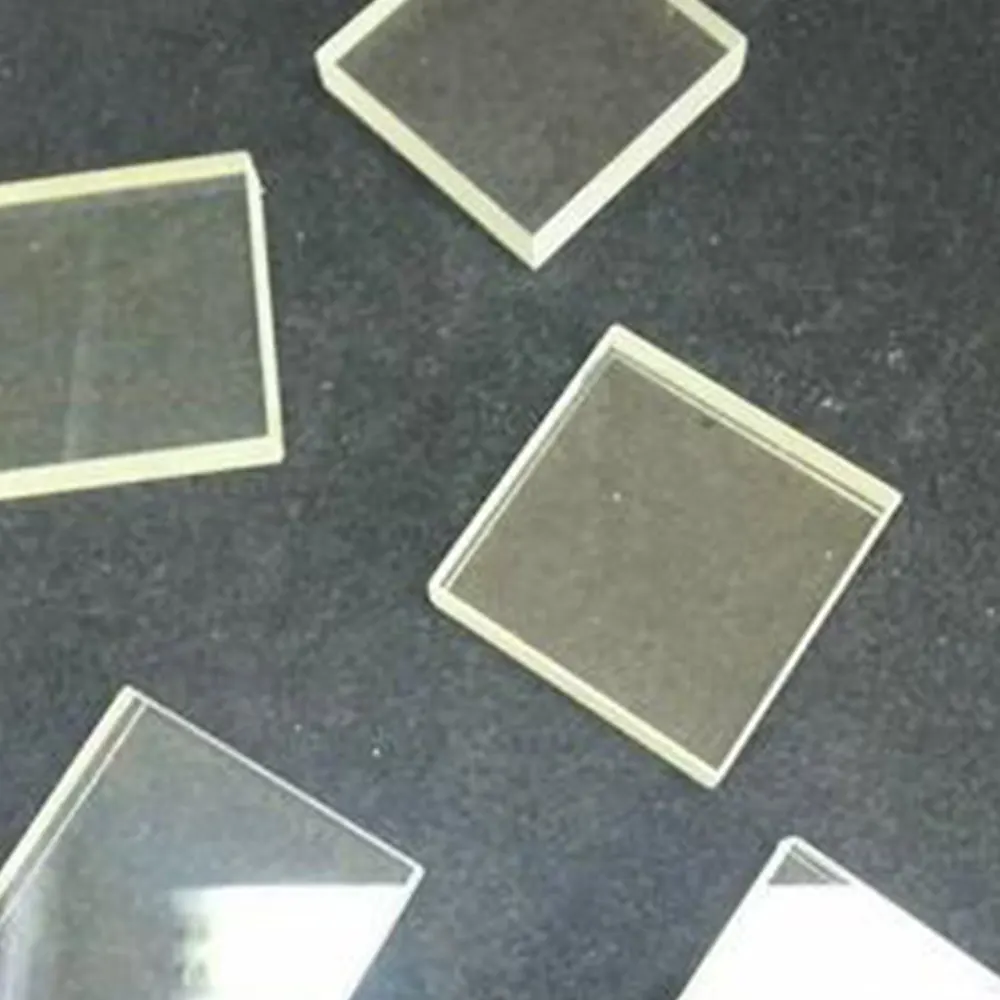
X-ray lead glass is shielding glass for observation windows in CT, DR and X-ray control rooms, supplied at the lead equivalent value of the surrounding wall and cut to the window opening.
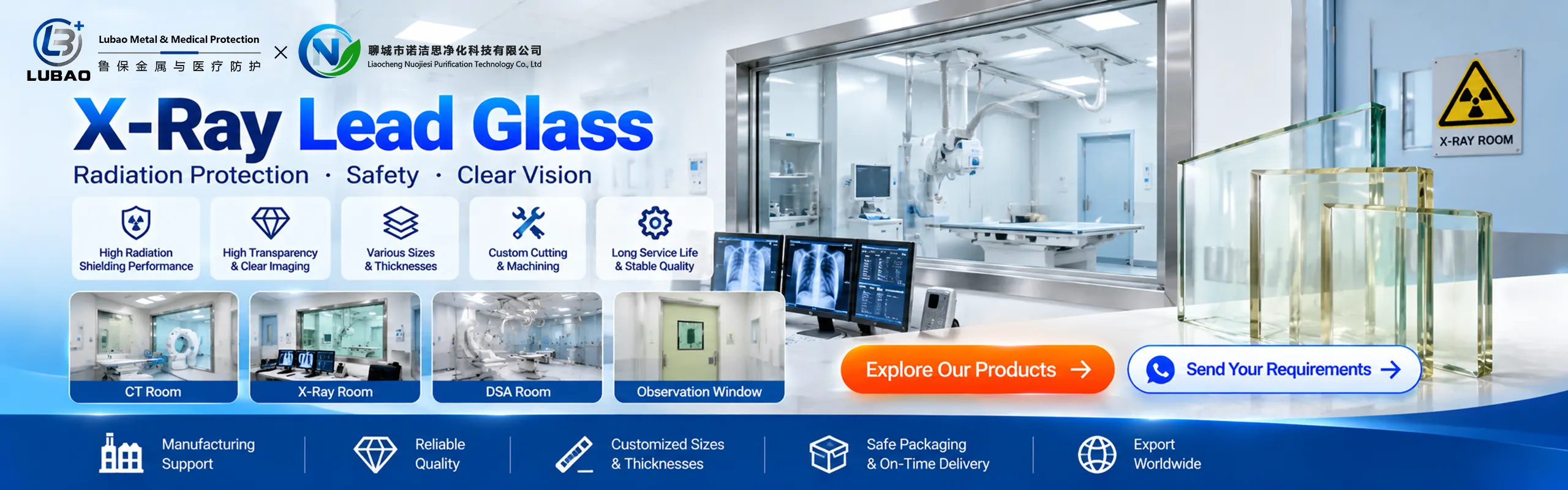
X-ray lead glass is the observation window in a shielded room — the part of the boundary staff look through while a patient is being imaged. It carries the same lead equivalent as the surrounding wall, so the window is not the point where the room is easiest to see into and also the point where it is easiest to penetrate.
It is used at CT control rooms, DR and X-ray control areas, interventional and angiography rooms, radiotherapy control areas and veterinary imaging control rooms — wherever the operator stands outside the room and needs to watch the patient while the equipment runs.
The glass is supplied in the thickness that gives the required lead equivalent, and the length of the sightline affects the thickness chosen: the further the operator stands back, the less glass thickness is necessary for the same protection. Edges are polished for clean insertion into the frame, and the window is cut to the opening so that site work is limited to fitting rather than cutting.
Selection starts from the room's shielding requirement and the window opening in the wall. The frame and the surrounding shielding need to be planned together with the glass, since the lead must be continuous from the wall linings through the frame and into the glass.
| Product Type | Radiation shielding observation glass |
|---|---|
| Typical Use | Control rooms and observation windows in shielded imaging rooms |
| Lead Equivalent | 1.5–3.5 mmPb, matched to the surrounding wall shielding |
| Thickness | 8–25 mm, selected to suit the required lead equivalent, customizable |
| Maximum Panel Size | To the window opening on the project, customized |
| Edge Finish | Polished edge for frame insertion |
| Size | Cut to the window opening |
| Clarity | Clear, high-transmission optical glass |
| Mounting | Set into a frame with the shielding continued around the opening |
| Packing | Crated for long-distance transport with edge protection |
| Notes | Values shown are typical of this material. Final specification is confirmed against the room's shielding requirement. |
| Lead equivalent | 1.5–3.5 mmPb, matched to the shielding calculated for the room |
|---|---|
| Thickness | 8–25 mm, selected to give the required lead equivalent at the operator's viewing distance |
| Panel size | Cut to the window opening on the project |
| Shape | Rectangular as standard; other shapes to the opening |
| Edge finish | Polished edge for frame insertion |
| Frame coordination | Supplied to suit the frame and the shielding detail around the opening |
| Packing | Crate with edge protection for long-distance transport |
X-ray lead glass is used at every window through which a shielded room is watched: CT control rooms, DR and digital radiography control areas, X-ray examination rooms, interventional and angiography rooms, radiotherapy control areas, nuclear medicine control rooms and veterinary imaging control rooms. It is specified together with the wall shielding and the door so that the lead equivalent is continuous around the room, and it is normally ordered at the same time as the linings so that the window frame can be planned rather than improvised on site.

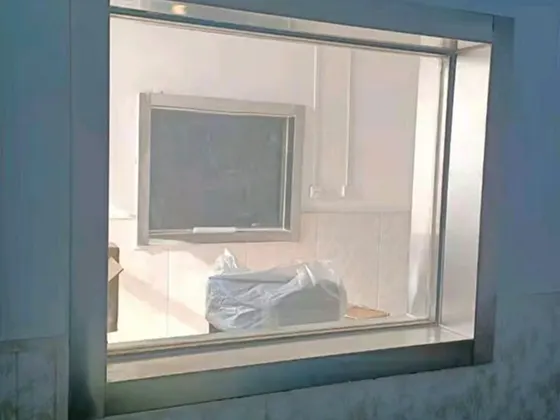


Every unit passes the same five stages below. Checks are recorded per unit rather than sampled, and a unit does not move to the next stage until the previous one is signed off.
Lead sheet thickness, barium sulphate density and glass lead equivalent are verified against the supplier certificate before the material enters the workshop.
Shielding layers are measured for thickness and uniformity at the points that matter most — corners, edges and any joint. This is the check that decides whether the product is fit to ship.
Overlaps and joints are inspected for width and continuity. A gap in a shield is not a cosmetic defect, so every joint is measured rather than sampled.
Frame, glass and shielding are checked for fit and alignment. Doors and screens are operated through their full range to confirm the shielding stays continuous in the closed position.
Surfaces and edges are inspected for damage and finish quality, then the unit is protected, labelled with its shielding data and packed against the shipping list.
Crated with edge protection and separating layers, so the glass arrives without chipping or surface damage.






How is the lead equivalent of the glass decided?
From the room's shielding requirement and from how far the operator stands from the window. A longer viewing distance needs less glass thickness for the same protection.
Should the glass match the wall exactly?
It should be at least equal to the wall value. Matching it avoids the window becoming the easiest route through the room boundary.
Can the glass be cut on site?
It is supplied cut to the opening so that site work is limited to fitting. Cutting shielding glass on site is best avoided, as the edge finish is part of the item.
Is the view clear, or does the glass change colour?
It is clear, high-transmission optical glass. The purpose is unobstructed observation of the patient while the equipment runs.
How large can a single panel be?
It follows from the window in the wall and the thickness required. Large panels in thick glass get heavy, so the window size and thickness are planned together.
Does the frame matter?
Yes. The lead has to be continuous from the wall linings, through the frame and into the glass, so the frame detail is agreed with the glass rather than after it.
How is it shipped?
In a crate with edge protection. This is the most fragile item in a shielding package, so packing is part of the specification.
What do you need from us to quote?
The room's shielding requirement, the window opening size and position, the operator's viewing distance, and the detail of the frame the glass will sit in.
Other items in Radiation Protection.
Doors with an integrated lead core for CT, DR and X-ray rooms, with vision panel and hardware options to suit the room layout.
View Details
Lead plate for wall, ceiling and floor lining. Available in a range of lead equivalent values to match your room's shielding requirement.
View Details
Complete lead-lined room packages for walls, ceiling and floor, supplied to the room's shielding plan and lead equivalent requirement.
View DetailsBackground reading on X-Ray Lead Glass and how it is specified.
A lead-lined door has to match the wall's shielding value and carry it across the opening. This article covers the lead core, the frame detail and when to add a lead glass vision panel.
Read ArticleAn observation window carries the same lead equivalent as the wall it sits in, and its thickness depends on how far the operator stands back. This article covers what to plan before ordering.
Read ArticleDoor leaves bend, glass edges chip and lead plate deforms — each for its own reason. This article explains how medical doors and shielding materials should be packed for long-distance transport.
Read Article
Tell us the room type, opening size, lead equivalent requirement or door configuration. We will come back with a practical supply proposal.