

Electrolytic Steel Plates
Electrolytically coated steel panels used as the wall and ceiling skin in operating room and cleanroom construction.
View Details
Operating tables are surgical tables for operating theatres, giving the surgeon a stable, adjustable platform with powered positioning, interchangeable table tops and accessories matched to the procedures the theatre carries.
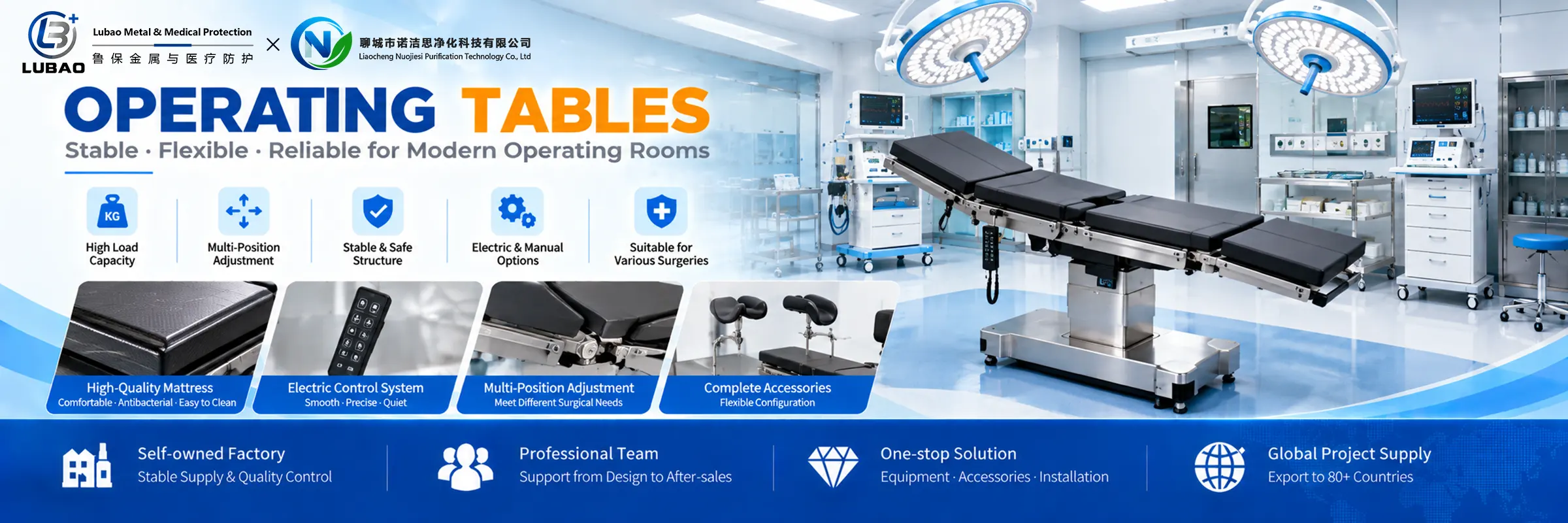
An operating table is the platform the patient is positioned on during surgery. What matters in practice is that it holds a position under load without shifting, that it moves between positions smoothly and under control, and that the table top can be configured for the procedure the theatre carries — which is why tables are specified as a system of top, column and accessories rather than as a single item.
They are used in operating theatres, hybrid and interventional theatres, day surgery suites, catheterisation and endoscopy rooms, maternity theatres and emergency or trauma theatres. A general theatre wants a table that reconfigures quickly between specialties; a dedicated room wants one set up for what it does every day.
The patient is supported on a table top built in sections, so the top can be split and sections exchanged for different procedures. The column raises, lowers and tilts the top, with the controls where the surgeon and the circulating staff can reach them, and the base gives the stability that matters most when the table is at height and at tilt. Accessories — arm supports, leg supports, head rests and straps — are fitted to rails on the top, so the accessory range is part of the specification rather than bought separately.
Selection follows the procedures the theatre carries, the space around the table, and how it will be used — a general theatre needs quick reconfiguration, a dedicated room needs a fixed set-up. Tables are supplied with the accessories specified for the department, and the load and positioning range are confirmed against the heaviest procedure the room will take.
| Product Type | Operating / surgical table |
|---|---|
| Typical Use | Operating theatres, day surgery, procedure and trauma rooms |
| Table Length | 2,000–2,100 mm, customizable |
| Table Width | 500–550 mm, customizable |
| Height Adjustment | 700–1,000 mm, customizable |
| Trendelenburg / Reverse | 0–25°, customizable |
| Lateral Tilt | 0–20°, customizable |
| Back Section | Adjustable, up to 0–80°, customizable |
| Safe Working Load | 200–350 kg, customizable |
| Table Top | Sectional top, sections exchangeable for different procedures |
| Positioning Control | Handset or foot control, on a cable or remote |
| Base | Floor-standing pedestal, or mobile on castors |
| Accessory Rails | Side rails for arm, leg and head supports |
| Power Supply | 220 V / 50 Hz or 110 V / 60 Hz |
| Packing | Crated with the column braced and accessories packed separately |
| Notes | Values shown are typical of this equipment. Final specification is confirmed against the procedures the theatre carries. |
| Table length | 2,000–2,100 mm, made to the procedures carried |
|---|---|
| Table width | 500–550 mm, or a wider top for specialist work |
| Height range | 700–1,000 mm, selected for the working height of the department |
| Trendelenburg / reverse | 0–25°, to the range required |
| Lateral tilt | 0–20°, to the range required |
| Back section | Adjustable to 0–80°, with head section options |
| Safe working load | 200–350 kg, confirmed against the heaviest procedure in the room |
| Table top sections | Split sections and interchangeable tops for different procedures |
| Accessories | Arm supports, leg supports, head rests, straps and side rails |
| Base type | Fixed pedestal, or mobile on castors with brakes |
| Control | Handset or foot control, on a cable or remote |
| Power supply | 220 V / 50 Hz or 110 V / 60 Hz, to the project's power standard |
| Packing | Crate with the column braced; accessories packed and labelled separately |
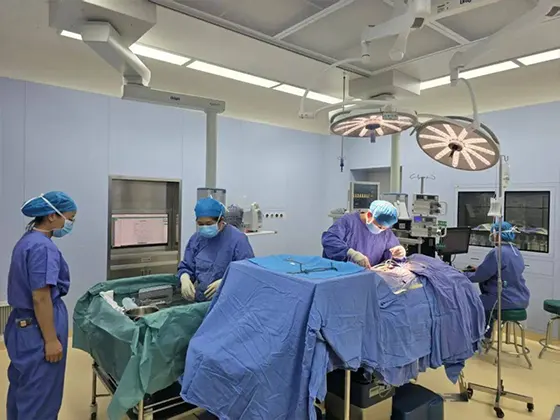
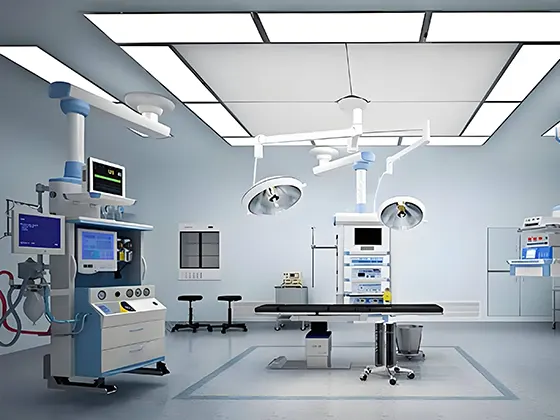
Operating tables are used in operating theatres, hybrid and interventional theatres, day surgery and procedure suites, catheterisation and endoscopy rooms, maternity theatres, and emergency and trauma rooms. Specialist departments use tables configured for what they do constantly — orthopaedic, cardiac, neurosurgical or obstetric work each needs a different top and accessory set — while a general theatre uses one table that reconfigures quickly between specialties. The table is selected from the procedures the room carries, the space around it and the heaviest patient load, and is normally ordered with the accessory set the department will use rather than as a table alone.
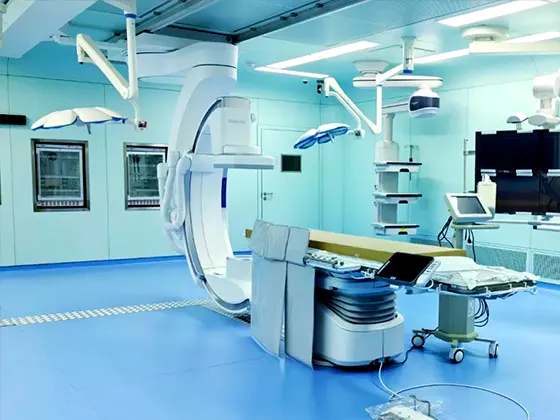
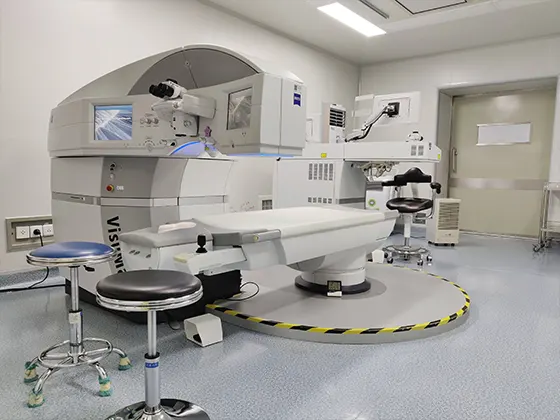
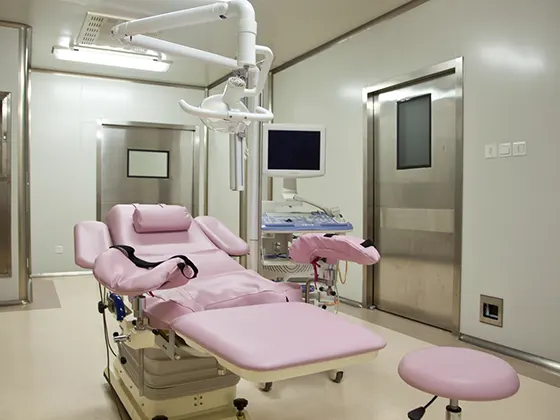
Every unit passes the same five stages below. Checks are recorded per unit rather than sampled, and a unit does not move to the next stage until the previous one is signed off.
Steel grade, panel core, lighting components and electrical parts are checked against the specification and incoming inspection records.
Panels, frames and housings are cut and formed, then checked for dimensions, flatness and edge quality before assembly.
Panels and equipment are assembled and wired to the drawing. Wiring, fixing points and sealing between panels are inspected before the unit is closed up.
Every unit is powered and run: controls, travel and locking on tables; light output and field adjustment on lamps; electrical safety and earth continuity on wired products.
Clean finish, colour match and absence of surface defects are confirmed, and the unit is protected and packed with its test record and instructions.
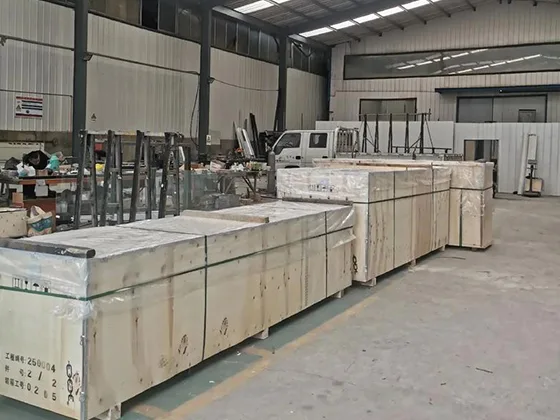
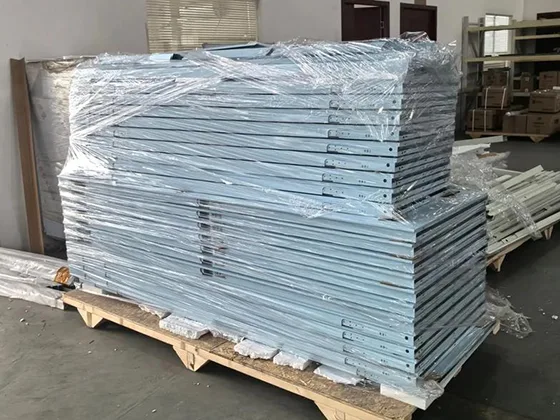
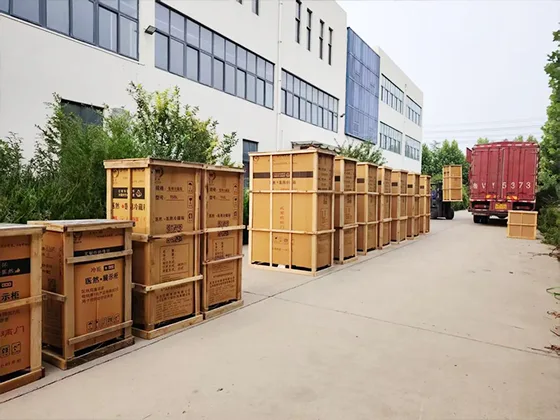
Crated with the column braced and accessories packed separately.
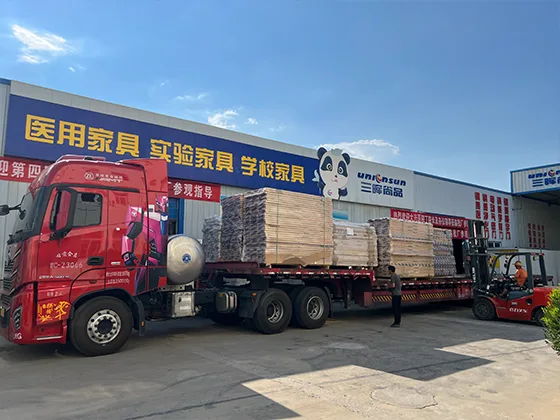
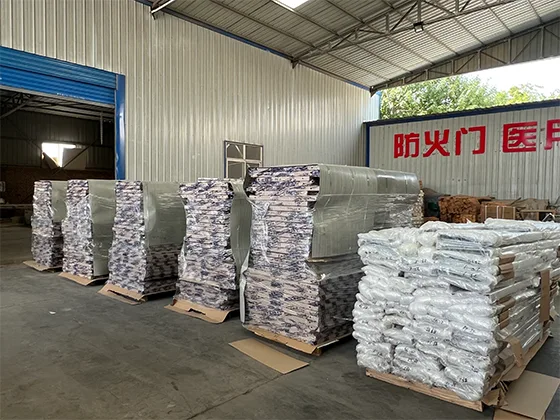
Which table suits a general operating theatre?
One that reconfigures quickly between specialties — a sectional top with a full accessory set, so the table is changed over rather than swapped between cases.
What working load should we specify?
It should be confirmed against the heaviest procedure the room will take, not against an average patient. Working loads typically run 200–350 kg.
How much height and tilt do we need?
Height generally runs 700–1,000 mm and tilt up to about 25° Trendelenburg and 20° lateral. The range is set by the procedures the theatre carries.
Fixed base or mobile table?
A fixed pedestal gives the most stability in a dedicated room. A mobile base is used where the table has to move between rooms, with brakes holding it in position during a case.
How are accessories handled?
They fit to rails on the table top. Because the rails are part of the table, the accessory set is decided with the table rather than added later.
Can one table serve several specialties?
Yes, with interchangeable top sections and the right accessory set. Dedicated rooms often keep a fixed set-up instead, because changeover time matters to their lists.
Is the table powered from the mains?
It is supplied to the project's power standard, 220 V / 50 Hz or 110 V / 60 Hz, with the control on a handset or foot control.
What do you need from us to quote?
The procedures the theatre carries, the space around the table, the heaviest patient load, the accessories the department uses, and whether the base is to be fixed or mobile.
Other items in Operating Room Products.
Electrolytically coated steel panels used as the wall and ceiling skin in operating room and cleanroom construction.
View Details
Prefabricated wall and ceiling panel systems for building new operating theatres or upgrading existing ones.
View Details
Ceiling-mounted and mobile surgical lighting that keeps the surgical field free of shadow and can be positioned as the procedure requires.
View DetailsBackground reading on Operating Tables and how it is specified.
An operating table is specified as a system, not a single item. This article covers the working load, the positioning range and the accessory rails that decide whether it suits a department.
Read Article
Tell us the room type, opening size, lead equivalent requirement or door configuration. We will come back with a practical supply proposal.