
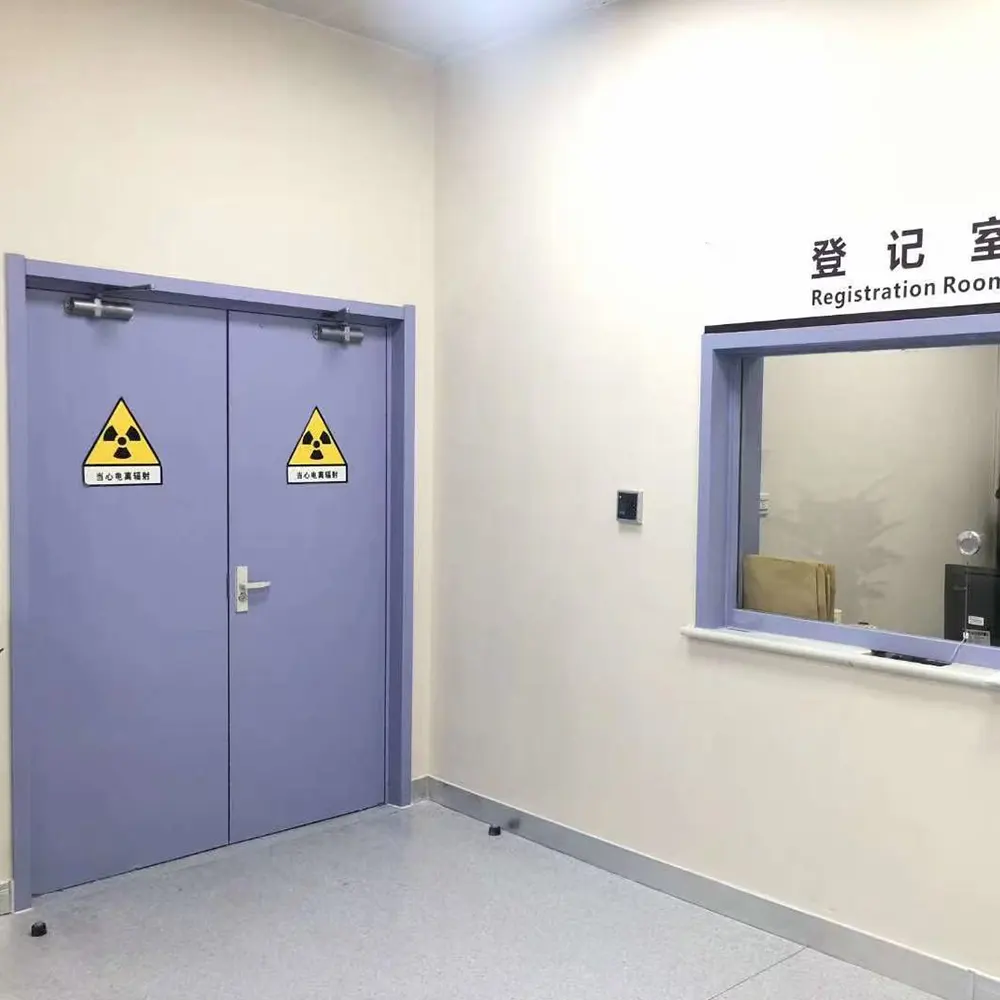
Lead-Lined Radiation Protection Doors
Doors with an integrated lead core for CT, DR and X-ray rooms, with vision panel and hardware options to suit the room layout.
View Details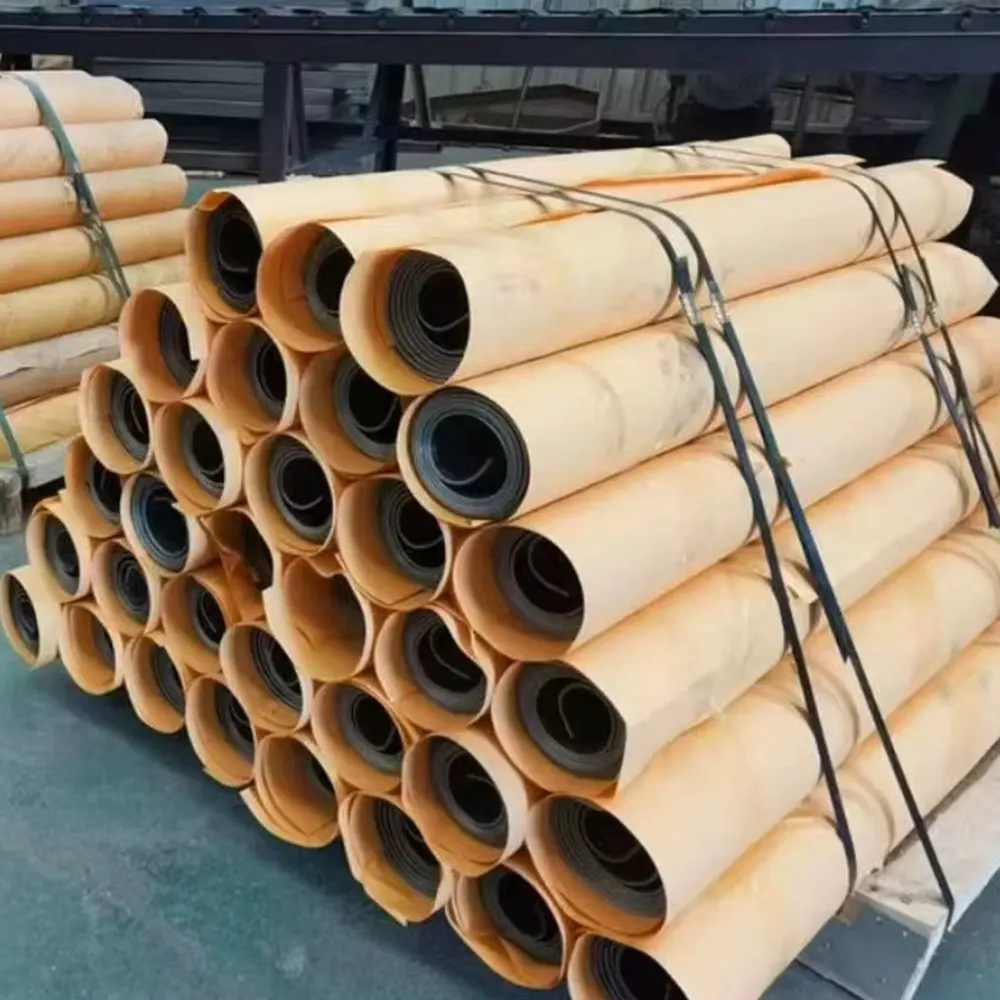
Radiation shielding lead plates are pure lead sheet for lining the walls, ceiling and floor of X-ray and CT rooms, supplied to the lead equivalent calculated for the room and cut to the lining plan.
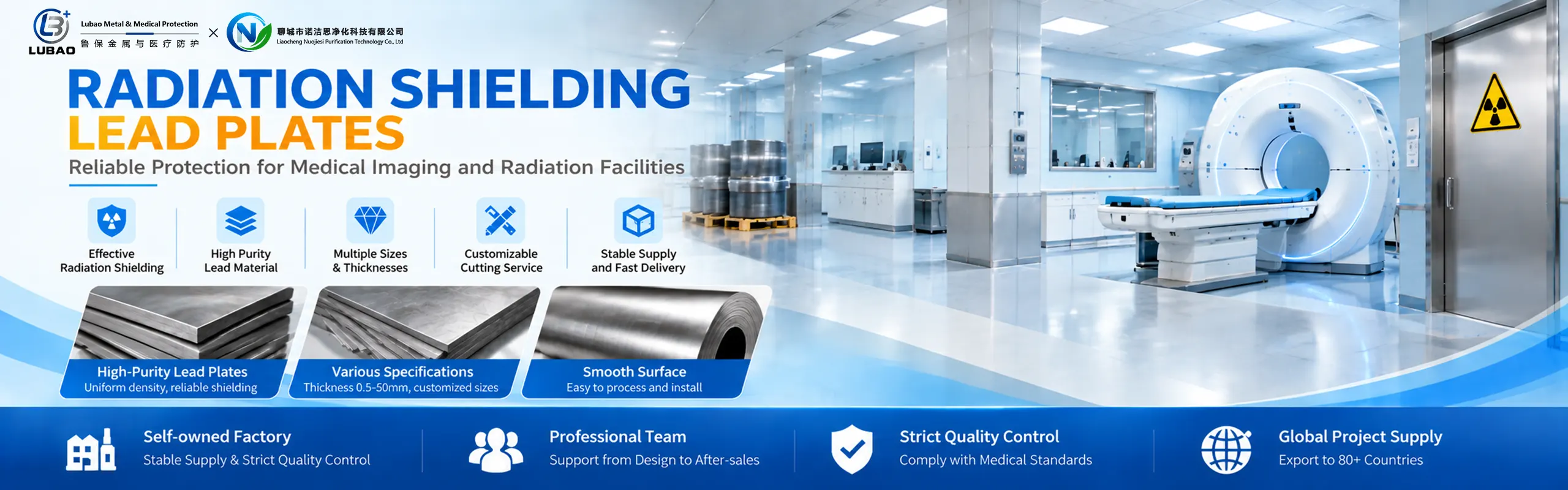
Radiation shielding lead plate is pure lead sheet used to line the inside of a room that has to hold radiation within its walls. It is the material the room's shielding is actually made of: the lead equivalent of the room is achieved by lining the wall, ceiling and floor with plate of the required thickness, with the joints and penetrations detailed so the shielding is continuous.
It is used to line CT scanning rooms, DR and digital radiography rooms, X-ray examination rooms, radiotherapy support rooms, veterinary imaging rooms and industrial radiography rooms — any space where the boundary itself has to stop the radiation rather than simply separate two areas.
The plate is supplied in the thickness that gives the required lead equivalent and cut to the lining plan, so that site cutting and waste are reduced and the person installing is fixing rather than fabricating. How the joints, corners and penetrations are detailed matters as much as the thickness: a well-lined wall with an untreated joint is not a shielded wall. The surface is smooth and mill finished so the following layers — board, plaster or panel — sit against it without preparation.
Selection follows the shielding calculation for the room and the lining plan. Lead plate is normally specified together with the door, glass and any penetrations so that the whole room is detailed to one value.
| Product Type | Pure lead shielding sheet for room lining |
|---|---|
| Typical Use | Walls, ceilings and floors of radiation-shielded rooms |
| Material | Pure lead |
| Thickness | 1–4 mm, customizable |
| Lead Equivalent | 1–4 mmPb |
| Plate Width | 500–1,000 mm, customizable |
| Plate Length | To the lining plan, customized |
| Surface | Smooth, mill finish |
| Edge | Sheared / cut to size |
| Lining Position | Wall, ceiling and floor |
| Joint Detail | Overlapped at joints, corners and penetrations |
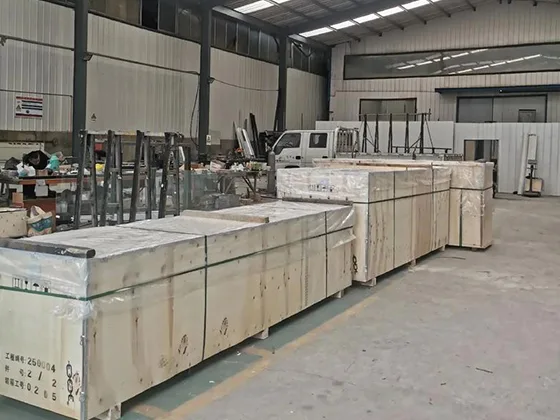
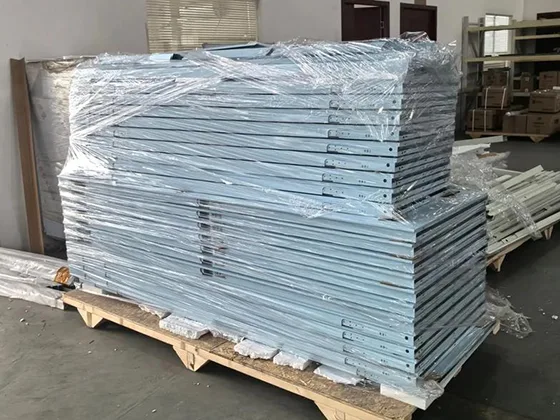
| Packing | Plywood case suitable for long-distance transport |
| Notes | Values shown are typical of this material. Final specification is confirmed against the room's shielding requirement. |
| Thickness | 1–4 mm, selected to give the lead equivalent calculated for the room |
|---|---|
| Plate width | 500–1,000 mm, made to suit the lining plan |
| Plate length | Cut to the lining plan, to reduce site cutting |
| Cut sheets | Pre-cut pieces for specific wall, ceiling or floor areas |
| Joint and corner pieces | Strips and collars for joints, corners and penetrations |
| Surface | Smooth mill finish as standard |
| Packing | Plywood case, plate sizes labelled for site identification |
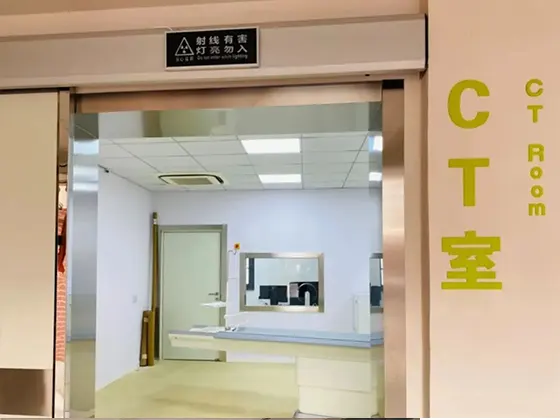
Radiation shielding lead plate is used to line the interior surfaces of rooms where the boundary forms part of the shielding design: CT scanning rooms, DR and digital radiography rooms, X-ray examination rooms, radiotherapy support rooms, nuclear medicine rooms, veterinary imaging rooms and industrial radiography rooms. It is also used for local shielding where a full lined room is not required but part of a wall or ceiling has to carry a value. The plate is selected from the room's shielding calculation and is normally ordered together with the door, glass and penetration details so that one value is carried around the whole room.
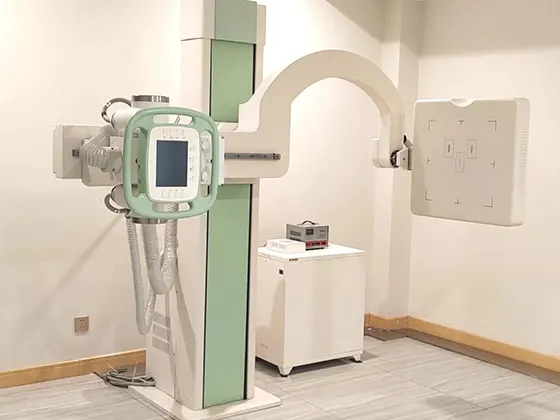
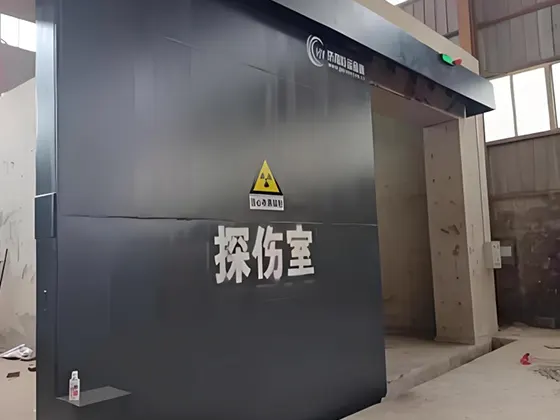

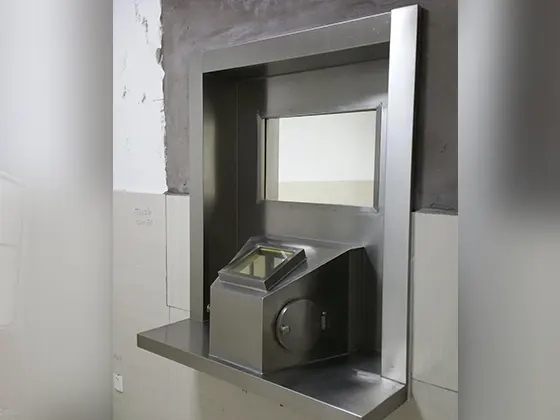
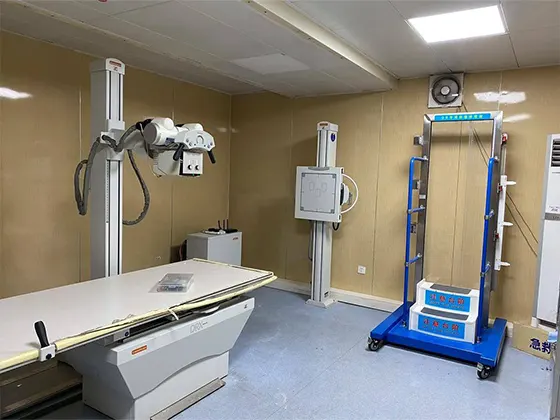
Every unit passes the same five stages below. Checks are recorded per unit rather than sampled, and a unit does not move to the next stage until the previous one is signed off.
Lead sheet thickness, barium sulphate density and glass lead equivalent are verified against the supplier certificate before the material enters the workshop.
Shielding layers are measured for thickness and uniformity at the points that matter most — corners, edges and any joint. This is the check that decides whether the product is fit to ship.
Overlaps and joints are inspected for width and continuity. A gap in a shield is not a cosmetic defect, so every joint is measured rather than sampled.
Frame, glass and shielding are checked for fit and alignment. Doors and screens are operated through their full range to confirm the shielding stays continuous in the closed position.
Surfaces and edges are inspected for damage and finish quality, then the unit is protected, labelled with its shielding data and packed against the shipping list.
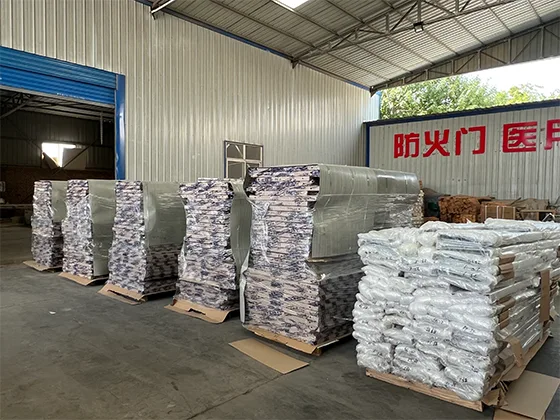
Supplied in plywood cases sized for long-distance transport and site handling, with plates protected against bending and surface damage in transit.


What thickness do we need?
It comes from the shielding calculation for the room, which depends on the equipment, the workload and what is on the other side of each wall. That is then expressed as a lead equivalent and supplied as plate.
Is the shielding only about thickness?
No. The joints, corners and penetrations have to be detailed as carefully as the plate thickness. An overlap of only a few tens of millimetres at each joint is what keeps the lining continuous.
Can we cut the plate on site?
It can be cut, but the value of ordering to the lining plan is that most cutting is done before delivery, which reduces waste and the chance of a joint being detailed badly on site.
Does the plate need a special surface for the next layer?
No. The surface is smooth and mill finished, so board, plaster or panel work goes straight against it.
Why is lead used rather than another material?
Lead gives a high shielding value in a thin, dense sheet, which keeps the thickness of the wall build-up down. Barium sulfate panels are used where a lead-free approach is preferred.
How is a penetration handled?
Penetrations are detailed with the lining — collars and strips are supplied so that pipes, ducts and conduit do not leave a gap in the shielding. Those details are normally confirmed with the shielding design.
How is the plate shipped?
In a plywood case. Lead is dense and the edges deform easily, so the plate is supported rather than loose in a crate.
What do you need from us to quote?
The room's shielding requirement, the lining plan with plate sizes, and the position of any doors, windows or penetrations that need to be detailed with the shielding.
Other items in Radiation Protection.
Doors with an integrated lead core for CT, DR and X-ray rooms, with vision panel and hardware options to suit the room layout.
View Details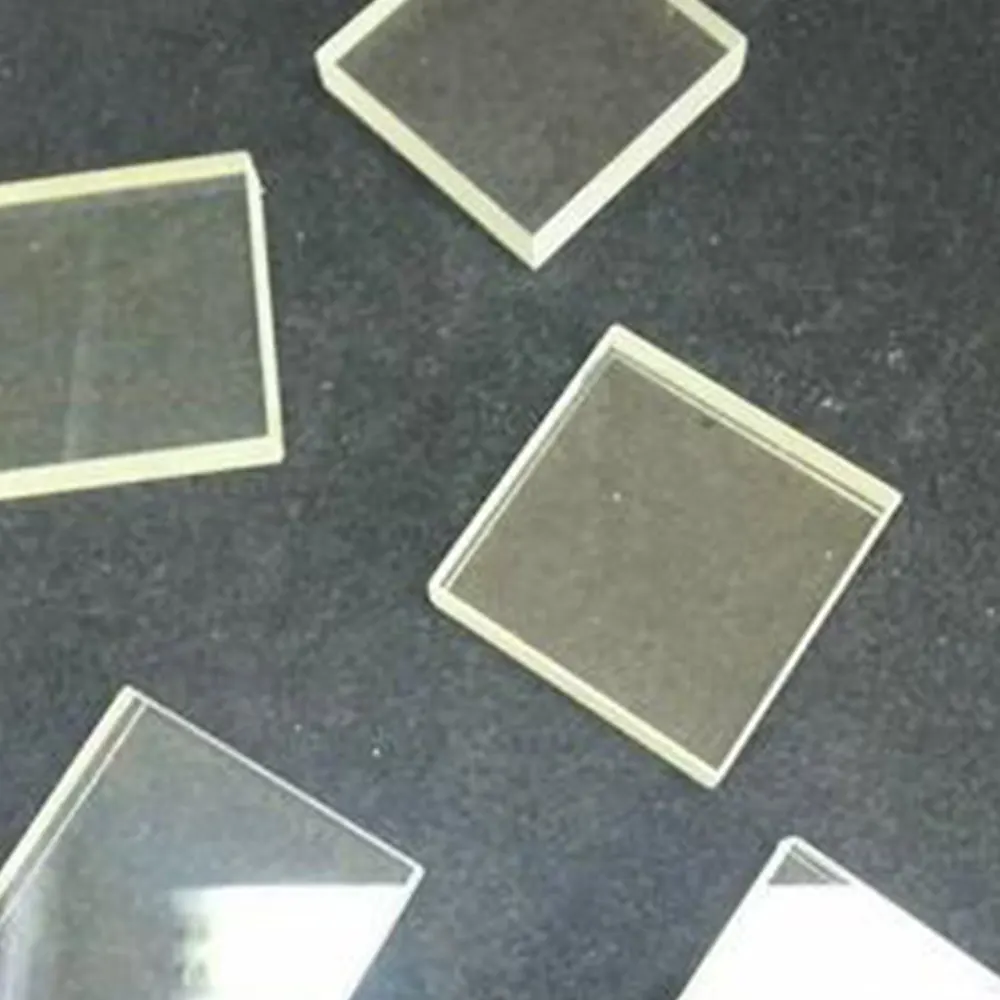
Lead glass for observation windows in CT, DR and X-ray rooms. Supplied to match the shielding value of the surrounding wall.
View Details
Complete lead-lined room packages for walls, ceiling and floor, supplied to the room's shielding plan and lead equivalent requirement.
View DetailsBackground reading on Radiation Shielding Lead Plates and how it is specified.
Door leaves bend, glass edges chip and lead plate deforms — each for its own reason. This article explains how medical doors and shielding materials should be packed for long-distance transport.
Read ArticleThe lead equivalent is the figure every shielding item in a room is made to. This article explains what it is calculated from, and why a room is normally shielded to more than one value.
Read ArticleA CT room is shielded as one boundary, not wall by wall. This article covers how the lead equivalent is set and how the lining, door, window and penetrations are detailed to match it.
Read Article
Tell us the room type, opening size, lead equivalent requirement or door configuration. We will come back with a practical supply proposal.