

Electrolytic Steel Plates
Electrolytically coated steel panels used as the wall and ceiling skin in operating room and cleanroom construction.
View Details
Shadowless operating lamps are ceiling- or mobile-mounted LED surgical lights that throw an even, shadow-free field over the operative site, with adjustable intensity, colour temperature and spot size.

A shadowless operating lamp is the light over the operative site. Its job is to put a field of light on the patient that does not move when the surgeon's head or hands get in the way — which is what "shadowless" means in practice — and to do it with a colour and an intensity that lets tissue be read accurately.
These lamps are used in operating theatres, hybrid and interventional theatres, day surgery suites, procedure and examination rooms, obstetric delivery rooms, and emergency and trauma rooms. Ceiling-mounted versions are used where the room is fixed and the position is known; mobile versions where the light has to be brought to the patient.
The light is produced by multiple LED sources in the lamp head, each aimed so that the beams overlap at the working distance and fill in for one another when something blocks part of the head. Intensity is adjustable down for examination work and up for deep procedures, colour temperature can be shifted between a warmer and a cooler field, and the spot diameter is set to the size of the site. The head is carried on an arm and spring or counterbalance system so it can be moved and then left where it is put rather than drifting.
Selection follows the procedures the room carries, the working distance the lamp will be used at, and whether it is ceiling-mounted or mobile. A room used for deep and superficial work needs a wider adjustment range than a room used for one type of procedure.
| Product Type | LED shadowless surgical lamp |
|---|---|
| Typical Use | Operating theatres, procedure rooms and delivery rooms |
| Illuminance | 100,000–160,000 lux, customizable |
| Illuminance Adjustment | Stepped or continuous, down to examination level |
| Colour Temperature | 3,500–5,000 K, customizable |
| Colour Rendering Index | ≥ 95 |
| Spot Diameter | 150–350 mm, customizable |
| Depth of Field | Field held through the working depth of the site |
| Working Distance | 700–1,400 mm, customizable |
| Light Source | LED, rated life 50,000 h |
| Lamp Head | Single or double head, on an arm system |
| Mounting | Ceiling-mounted, wall-mounted, or mobile on a stand |
| Power Supply | 220 V / 50 Hz or 110 V / 60 Hz |
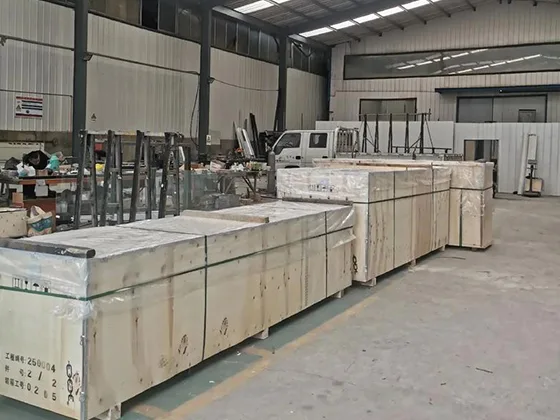
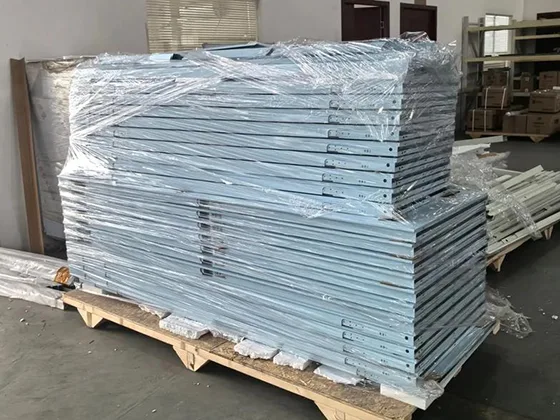
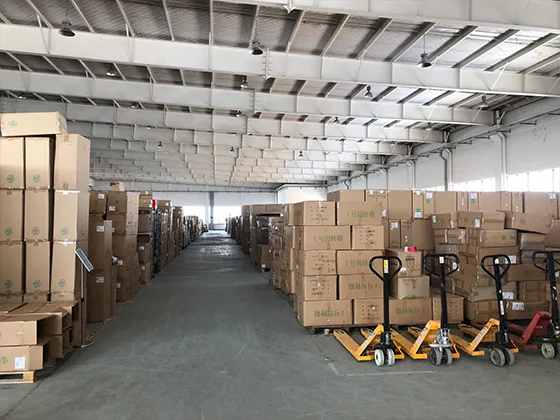
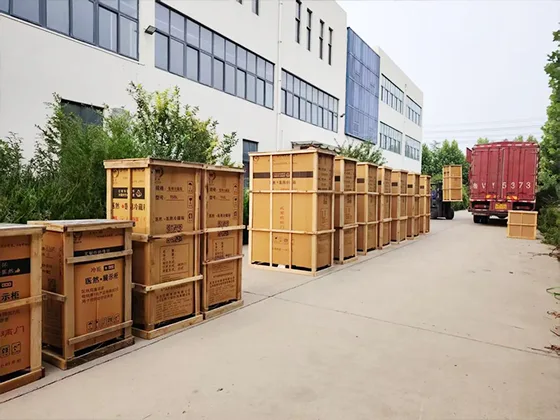
| Packing | Crated; lamp heads and arms packed separately and labelled |
| Notes | Values shown are typical of this equipment. Final specification is confirmed against the procedures the room carries. |
| Illuminance | 100,000–160,000 lux, selected for the procedures carried |
|---|---|
| Illuminance adjustment | Stepped or continuous, with a low level for examination work |
| Colour temperature | 3,500–5,000 K, adjustable within the range |
| Spot diameter | 150–350 mm, adjustable |
| Working distance | 700–1,400 mm, set to the height the room works at |
| Lamp head | Single or double head, with a camera or monitor option where needed |
| Mounting | Ceiling-mounted, wall-mounted, or mobile on a stand |
| Arm system | Arm length and configuration to suit the room layout |
| Power supply | 220 V / 50 Hz or 110 V / 60 Hz, to the project's power standard |
| Packing | Lamp heads and arms crated separately and labelled by room |
Shadowless operating lamps are used wherever a procedure needs a controlled field of light on the patient: operating theatres, hybrid and interventional theatres, day surgery and procedure suites, obstetric delivery rooms, examination and treatment rooms, and emergency or trauma rooms. Ceiling-mounted lamps are used in rooms where the layout is fixed, with single or double heads depending on whether two surgeons work at once; mobile lamps are used where the light has to be taken to the patient, or where a room serves more than one purpose. The lamp is selected from the procedures the room carries, the working distance and the mounting the room allows, and is normally specified together with the table so that the field and the site line up.
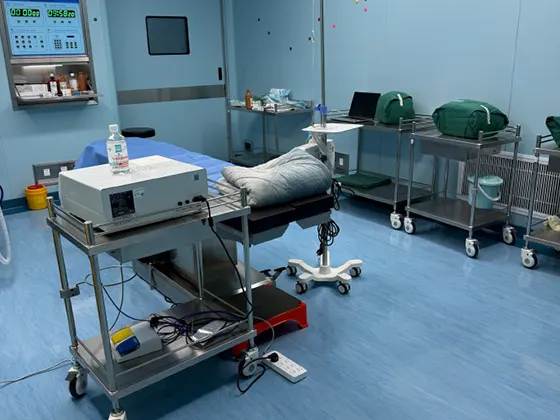


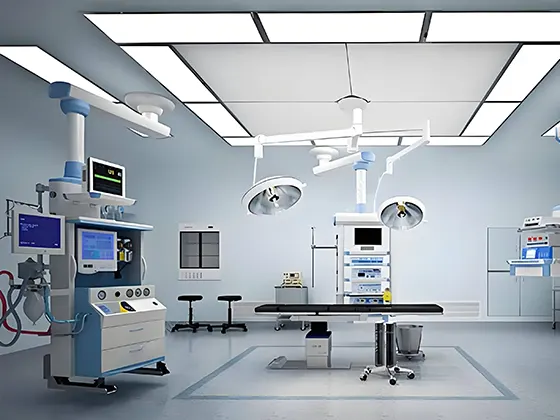
Every unit passes the same five stages below. Checks are recorded per unit rather than sampled, and a unit does not move to the next stage until the previous one is signed off.
Steel grade, panel core, lighting components and electrical parts are checked against the specification and incoming inspection records.
Panels, frames and housings are cut and formed, then checked for dimensions, flatness and edge quality before assembly.
Panels and equipment are assembled and wired to the drawing. Wiring, fixing points and sealing between panels are inspected before the unit is closed up.
Every unit is powered and run: controls, travel and locking on tables; light output and field adjustment on lamps; electrical safety and earth continuity on wired products.
Clean finish, colour match and absence of surface defects are confirmed, and the unit is protected and packed with its test record and instructions.
Crated; lamp heads and arms packed separately and labelled.

What does shadowless mean in practice?
The light comes from several sources aimed to overlap at the working distance. When a hand or head blocks part of the lamp, the remaining sources fill the field, so the site does not go dark.
What illuminance do we need?
It follows from the procedures. Superficial and examination work needs far less than deep cavity work — the useful range runs from about 100,000 to 160,000 lux.
Why does colour temperature matter?
It changes how tissue is seen. Adjusting it lets the surgeon read tissue in the light they prefer, and different departments settle on different settings.
What CRI should we look for?
95 or above. A high colour rendering index means tissue colours appear close to how they look under natural light.
Ceiling-mounted or mobile?
Ceiling-mounted where the room layout is fixed and the site position is predictable. Mobile where the lamp has to be brought to the patient or the room serves more than one purpose.
One head or two?
Two heads are used where two surgeons work together or where a second field is needed. A single head suits smaller rooms and single-operator procedures.
How long do the LEDs last?
The light source is rated at about 50,000 hours. The lamp head itself does not need the routine replacement a bulb-based lamp did.
What do you need from us to quote?
The procedures the room carries, the working distance and height, whether the lamp is to be ceiling-mounted or mobile, and whether one head or two.
Other items in Operating Room Products.
Electrolytically coated steel panels used as the wall and ceiling skin in operating room and cleanroom construction.
View Details
Prefabricated wall and ceiling panel systems for building new operating theatres or upgrading existing ones.
View Details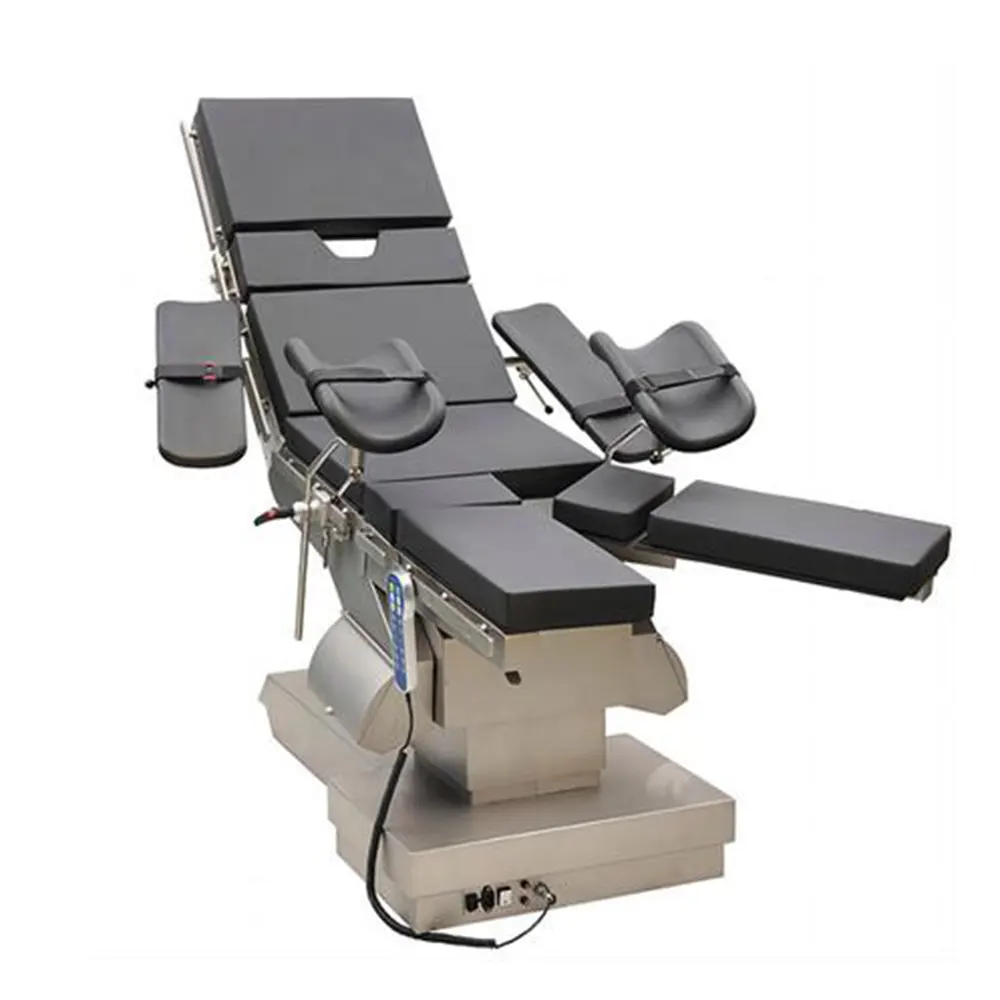
Surgical tables with adjustable height, tilt and positioning for general and specialist procedures.
View DetailsBackground reading on Shadowless Operating Lamps and how it is specified.
A theatre needs two lighting systems that do not work against each other. This article covers how general ceiling lighting and surgical lamps are specified and set out together.
Read ArticleA surgical lamp is specified by its illuminance, colour temperature and spot size. This article explains what each setting does and how to choose a range that suits the procedures a theatre carries.
Read Article
Tell us the room type, opening size, lead equivalent requirement or door configuration. We will come back with a practical supply proposal.