

X-Ray Protection Equipment
Lead aprons, thyroid collars, gloves and shielding accessories for staff working with X-ray and imaging equipment.
View Details
Anesthesia cabinets are storage cabinets for anaesthetic rooms and theatre suites, organising drugs, airways, cannulation and monitoring supplies in drawers and shelves set out for the way anaesthetists work.
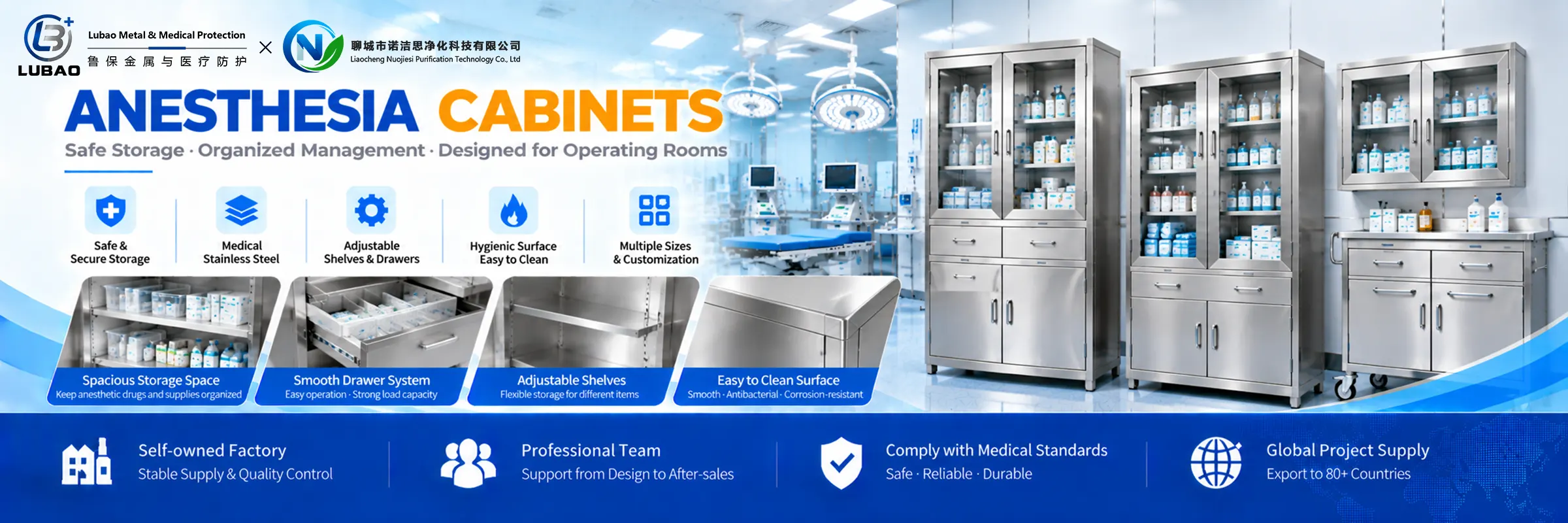
An anaesthesia cabinet is a storage cabinet for the anaesthetic room and the theatre suite, holding the drugs, airways, cannulation and monitoring supplies that an anaesthetist reaches for during a case. The difference from a general store cabinet is the layout: what is used most often is at working height and reached with one hand, and what is used in an emergency is in the same place every time.
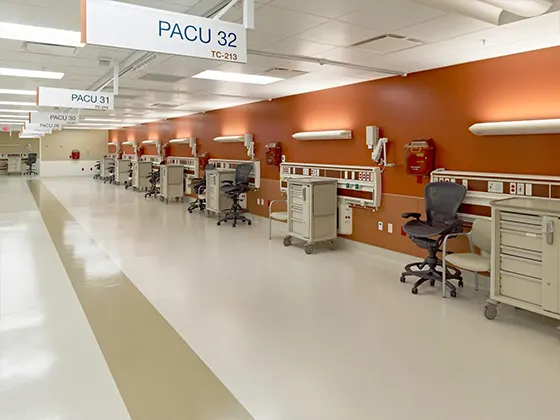
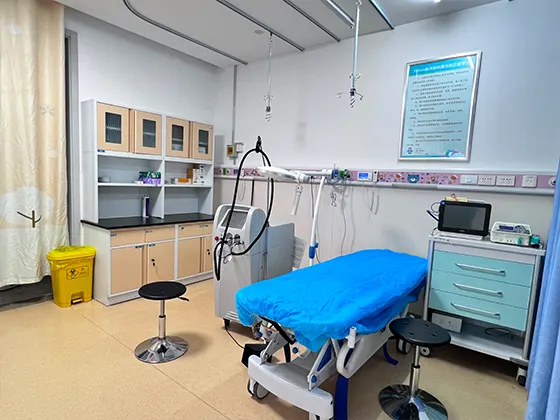
These cabinets are used in anaesthetic rooms, operating theatres, recovery and post-anaesthetic areas, ICU and high-dependency units, obstetric theatres, and day surgery suites where anaesthesia is given.
The cabinet mixes drawers and shelves, so small items are kept in drawers where they can be seen at a glance and larger items sit on shelves. Drawers run on full-extension slides so the whole drawer comes out and everything in the back is visible rather than being reached for blindly — the reason a drawer is worth having in this setting. Where drugs are stored, individual drawer or compartment locks are used so that controlled items are separated from general supplies in the same cabinet. The layout is set out with the department so the cabinet matches how the room is worked in, and the surfaces are stainless, smooth and cleanable throughout.
Selection follows how the room is used, which items are needed during a case and which are needed in an emergency, and how much drug storage has to be locked separately. Cabinets are supplied with the drawer and shelf layout agreed with the department rather than as a standard unit.
| Product Type | Storage cabinet for anaesthetic supplies |
|---|---|
| Typical Use | Anaesthetic rooms, theatre suites and recovery areas |
| Material | 304 stainless steel, customizable |
| Cabinet Size | 900 × 500 × 1,800 mm (W × D × H), customizable |
| Drawer / Shelf Mix | 3–5 drawers plus shelves, customizable |
| Drawer Slides | Full-extension slides, load-rated, customizable |
| Drawer Layout | Compartments and dividers set out with the department |
| Lock | Key lock for the cabinet, or individual drawer locks |
| Working Surface | Top surface usable as a preparation area |
| Base | Feet or plinth, set to allow cleaning beneath |
| Finish | Brushed stainless steel |
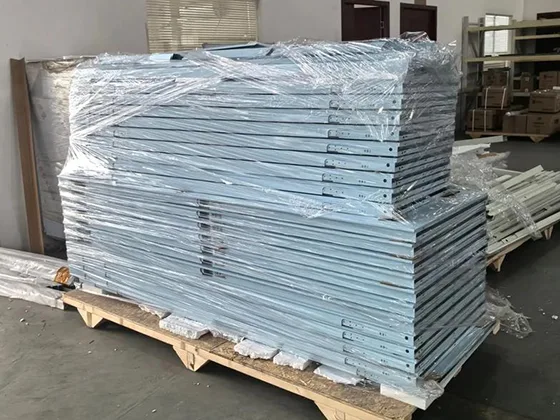
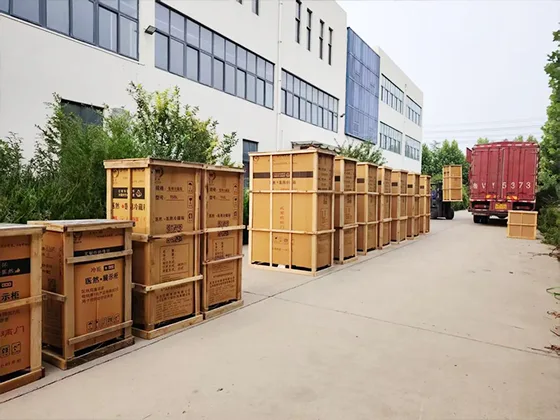
| Packing | Crated with drawers secured and shelves packed inside |
| Notes | Values shown are typical of this cabinet. Final specification is confirmed against the room's working practice. |
| Material | 304 stainless steel as standard; 316 where the environment demands it |
|---|---|
| Cabinet size | 900 × 500 × 1,800 mm as a typical size, made to the space available |
| Width / depth / height | To the room's dimensions and the working height required |
| Drawer and shelf mix | 3–5 drawers with shelves above or below, to the department's layout |
| Drawer layout | Compartments, dividers and trays set out with the department |
| Drawer slides | Full-extension, load-rated slides |
| Locking | Key lock for the cabinet, or individual drawer or compartment locks |
| Working surface | Flat top for preparation; raised edge option where items should not roll off |
| Base | Feet or plinth, to suit the floor and cleaning routine |
| Packing | Crate with drawers secured and shelves packed inside |
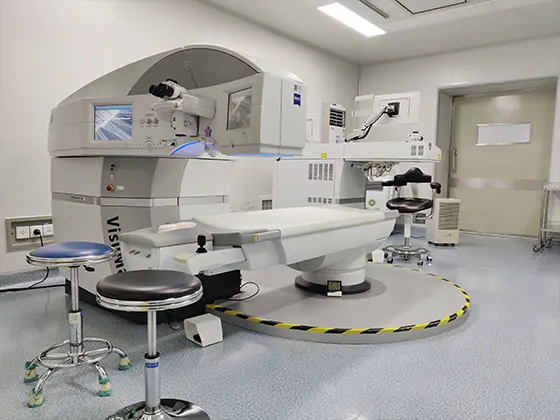
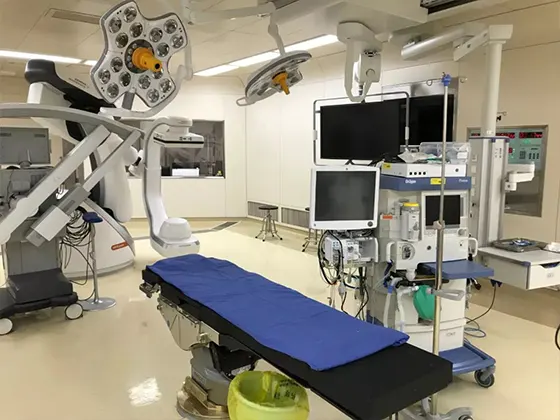
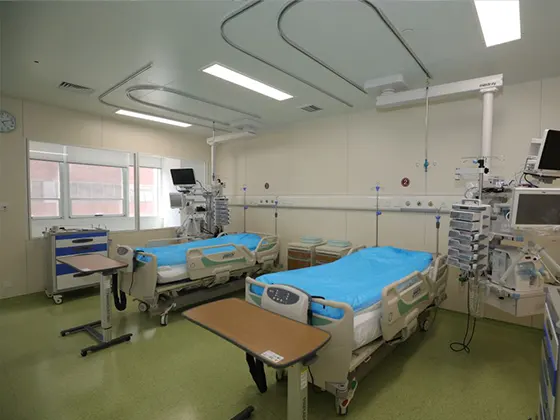
Anesthesia cabinets are used in the rooms where anaesthesia is given or recovered from: anaesthetic rooms, operating theatres and theatre suites, recovery and post-anaesthetic areas, intensive care and high-dependency units, obstetric theatres, and day surgery suites. The cabinet is selected from how the room is used, which items are needed during a case and which in an emergency, and how much drug storage has to be locked separately, and is normally supplied with a drawer and shelf layout agreed with the department.
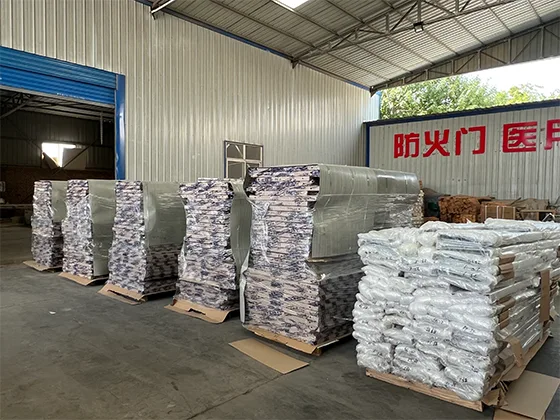
Every unit passes the same five stages below. Checks are recorded per unit rather than sampled, and a unit does not move to the next stage until the previous one is signed off.
Stainless steel grade, board thickness and fittings are checked against the specification and mill certificates before being issued to the workshop.
Cutting, bending and punching are checked against the drawing — dimensions, squareness and hole positions — before the item is welded.
Welds are inspected for penetration and ground smooth where the surface is exposed. Edge finishing is checked for the safe, easy-clean profile hospitals expect.
Drawers, doors, hinges, locks, castors and levelling feet are fitted and operated through their full travel. Load-bearing items are checked for stability when loaded.
The finished item is cleaned, inspected for surface defects, then wrapped, labelled and checked against the packing list before dispatch.
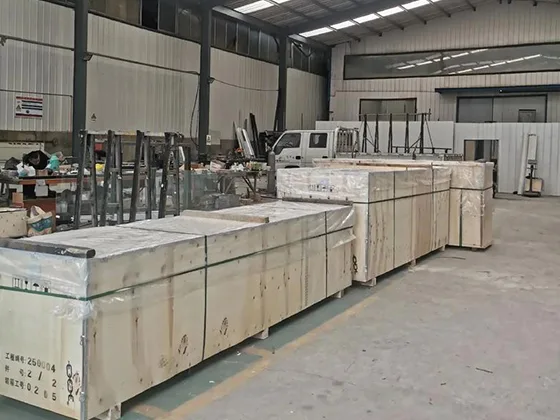
Crated with drawers secured and shelves packed inside.
What makes an anaesthesia cabinet different from a general store cabinet?
The layout. It is set out for the way an anaesthetist works during a case — what is used often at working height and reached with one hand, and emergency items always in the same place.
Why are drawers used rather than shelves only?
Drawers keep small items visible at a glance. Full-extension slides mean the whole drawer comes out, so nothing is reached for blindly at the back.
Can drugs be locked separately from general supplies?
Yes. Individual drawer or compartment locks are used so that controlled items are separated within the same cabinet.
How is the layout decided?
With the department. The drawer and shelf arrangement follows how the room is actually worked in, which is why it is agreed rather than taken from a standard unit.
Can the top be used as a working surface?
Yes. The cabinet top can serve as a preparation area, and a raised edge can be fitted where items should not roll off.
What size cabinet suits an anaesthetic room?
900 × 500 × 1,800 mm is typical, and the size is made to suit the space and the working height the room needs.
Is it available in 316 stainless?
Yes, where the environment is more aggressive. 304 is the usual grade for this work.
What do you need from us to quote?
How the room is used, the items that have to be stored, which need to be locked separately, the space available, and the working height the department wants.
Other items in Other Medical Equipment.
Lead aprons, thyroid collars, gloves and shielding accessories for staff working with X-ray and imaging equipment.
View Details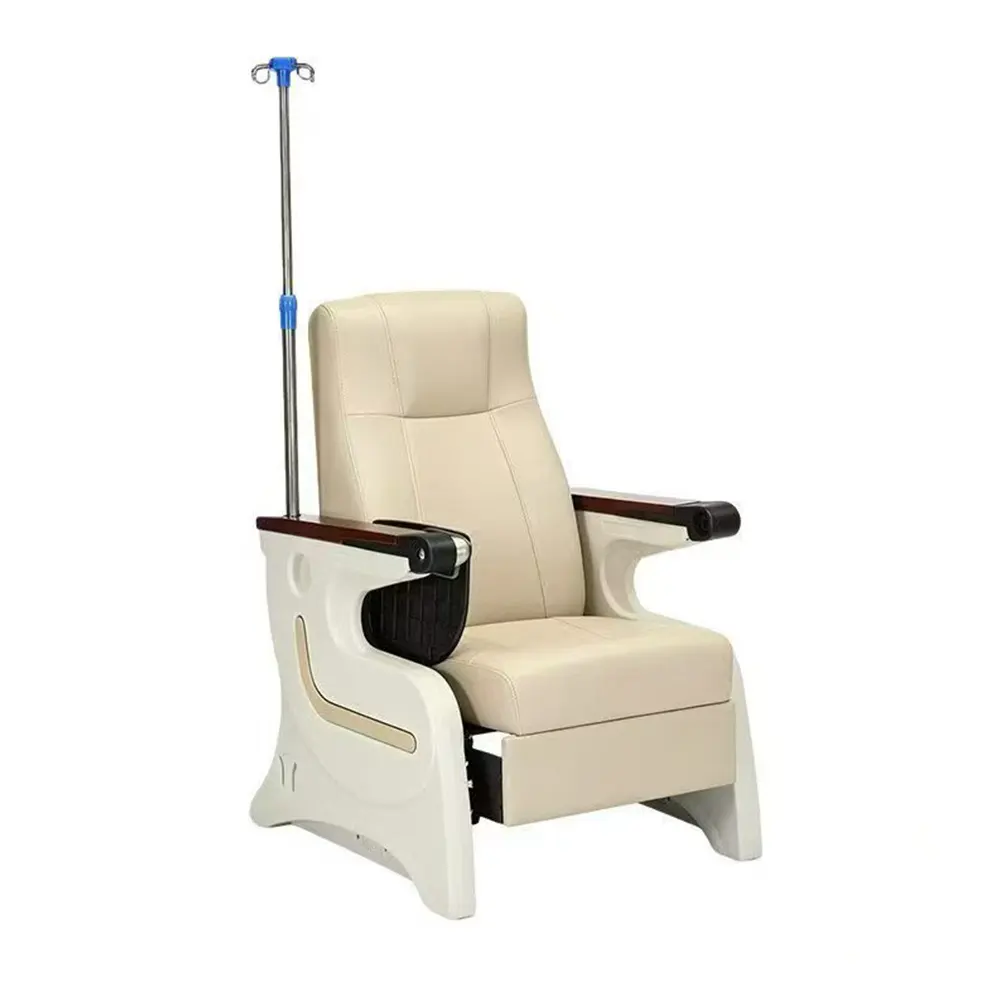
Infusion and treatment chairs for day wards, outpatient areas and treatment rooms, with reclining and adjustable positions.
View Details
Stainless steel storage cabinets for instruments and consumables in operating theatres, CSSD and treatment rooms.
View DetailsBackground reading on Anesthesia Cabinets and how it is specified.
An anaesthesia cabinet is specified by its layout, not its size. This article covers drawer configuration, lockable storage and why the interior is agreed with the department.
Read Article
Tell us the room type, opening size, lead equivalent requirement or door configuration. We will come back with a practical supply proposal.